




Asset management
Facilities management is the ‘...integration of processes within an organisation to maintain and develop the agreed services which support and improve the effectiveness of its primary activities’. Ref EN15221-1: 2006 Facility Management – Part 1: Terms and definitions. It is concerned with the management of facilities at both a strategic and a day-to day level to deliver operational objectives and to maintain a safe and efficient environment.
Asset management is'...The process of developing, operating, maintaining, upgrading and disposing of an asset using the most efficient and effective means.' Ref RIBA Plan of Work 2020.
The RIBA Plan of Work 2020 suggests that: 'Asset Management provides a further overlay to Facilities Management, formalising the maintenance regimes for the building. To achieve this, some of the components of the Building Systems, such as doors and items of plant, are given asset tags and unique identifiers, allowing maintenance planning to be optimised. Examples of asset management in practice include identifying when smoke seals on doors need to be inspected or when the batteries in escape signage need to be replaced, as well as recording when the requisite work was undertaken.'
Asset Management – an anatomy, Version 4, published by The Institute of Asset Management in July 2024, defines asset management as: 'Coordinated activity of an organization to realize value from assets. Notes: (1) Realization of value normally involves a balancing of costs, risks, opportunities and performance benefits. (2) Activity can also refer to the application of the elements of the asset management system. (3) The term “activity” has a broad meaning and can include, for example, the approach, the planning, the plans and their implementation.’
PAS 55-1:2008, Asset Management: Part 1: Specification for the optimized management of physical assets, written by the Institute of Asset Management, and published by BSi in September 2008, defines asset management as: ‘systematic and coordinated activities and practices through which an organization optimally and sustainably manages its assets and asset systems, their associated performance, risks and expenditures over their life cycles for the purpose of achieving its organizational strategic plan.’
[edit] Related articles on Designing Buildings
- Asset.
- Asset information model.
- Asset management strategy.
- Asset management team.
- Creating an asset register for construction projects.
- Digital asset management.
- Economic Order Quantity EOQ.
- Enterprise asset management.
- Facilities management.
- Facilities management audit FMA.
- Facility condition assessment FCA.
- Facility condition index FCI.
- Knowledge asset management.
- Property management.
Featured articles
Check out some of the best features and news from Designing Buildings as well as key stories from around the web.

CIOB celebrates positive Ofsted report.

The Building Safety Regulator announces a call for evidence.

Government approach could undermine delivery and regeneration.
World's first mass timber data centre.
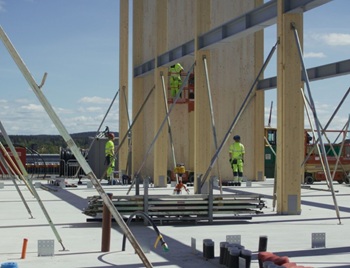
The overlooked environmental aspect of data centre development.
Introduction to radon awareness
New technical information sheet published by CIOB.
Updated supplier guide can help electrical contractors engage with NHP.

CIAT confirm the winners of the 2026 architectural technology awards.
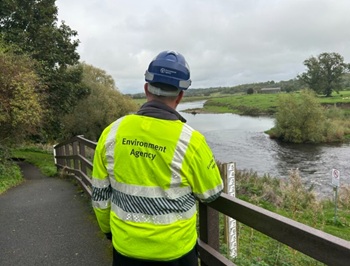
Government launches a one stop shop for flood preparedness.

Sir Edwin Lutyens: Britain's greatest architect? Book review.
CIOB publishes free template to help assess and manage risks.
ECA's reflections on Party Conference season

Burnham wants to be confident of winning before asking for a fresh mandate.
New Chief Construction and Scientific Adviser

Sergio Cavalaro, Professor of Infrastructure Systems at Loughborough University.